

Fresh Start Your WayFresh Start Your Way

Find your fresh start with recipes and dietitian tips tailored to your 2026 wellness goals.

Choose your focus:

Gut Health
Protein Power
Smart Snacking
Healthy Aging
Workout Fuel 101

Gut Health

Feed your gut, fuel your body

Probiotics & Fermented Foods

Probiotics & Fermented Foods

Fiber Rich Foods

Fiber Rich Foods

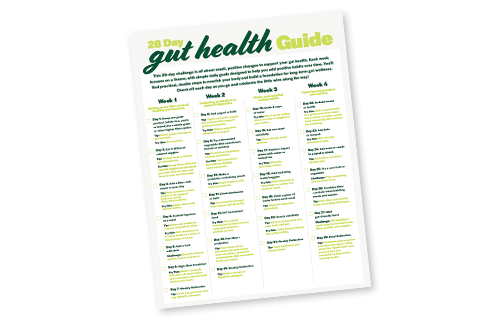
Gut Health Resources

Prebiotics
What they do: Act as food for your good gut bacteria, helping them grow and thrive.

Found in: Fiber-rich foods like bananas, oats, garlic, onions, asparagus, and beans.

Quick tip: Include a variety of fruits, veggies, and whole grains daily for a natural source of prebiotics.
Probiotics
What they do: Are live, beneficial bacteria that support a healthy gut environment.

Found in: Fermented foods like yogurt, kefir, sauerkraut, kimchi, miso, and kombucha.

Quick tip: Choose yogurts or fermented foods labeled “live and active cultures.”

Better Together

Prebiotics feed probiotics — think of them as your gut’s perfect pair. Combine both in your diet for optimal digestive and immune support.

Gut-Friendly Recipes

Smart Snacking

Snack with purpose and flavor

Smart Snacking

Smart Snacking

Smart Snacking Resources

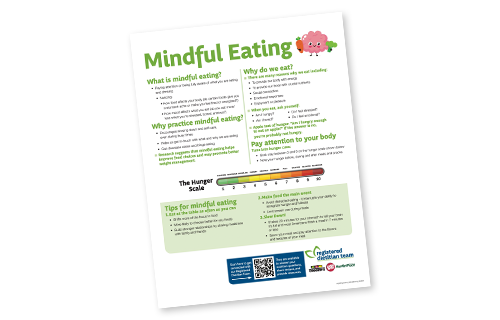
Build a balanced snack

Flyer

Build a balanced snack

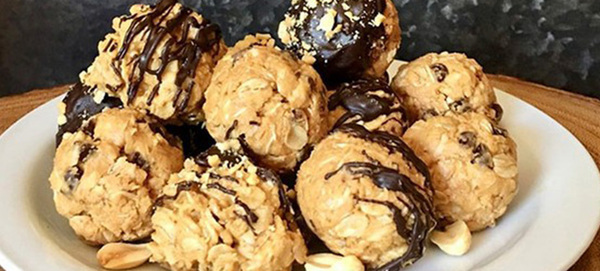
Smart Snacking Recipes

Healthy Aging & Brain Supporters

Feel good foods for your mind

Healthy Aging

Healthy Aging

Healthy Aging Resources

The MIND Diet: Food for Your Brain

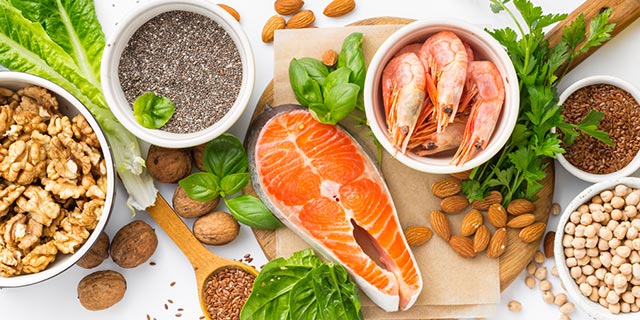
  • The MIND diet (short for Mediterranean-DASH Intervention for Neurodegenerative Delay) combines two of the most researched eating patterns, the Mediterranean and DASH diets. It focuses on foods that support brain health, such as:
    • Leafy greens like spinach, kale, and romaine
    • Berries
    • Nuts, whole grains, and beans
    • Fish and olive oil
  • These foods are rich in antioxidants, healthy fats, and nutrients that help protect your brain and may reduce the risk of cognitive decline.

Food doesn’t just fuel your body, it influences how you feel. Check out our Food and Mood blog for a deeper look at how nutrients like omega-3 fatty acids can positively impact your mood and mental well-being.

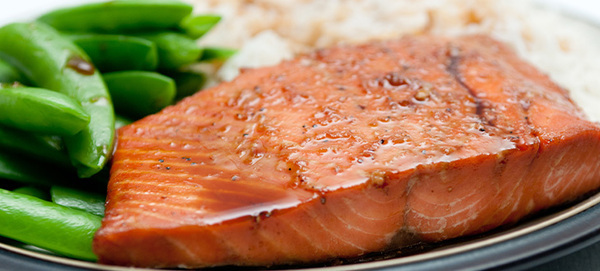
Omega-3 Rich Recipes

Workout Fuel 101

Pre and Post Workout Nutrition

Preworkout
Energize your Effort

Pre-Workout

What you eat should depend on when you eat in comparison to your workout.

If you only have 30–60 minutes, choose a lighter carbohydrate-rich snack that’s easy to digest. If you're eating 2-3 hours before, include protein and carbohydrates.

If You’re Eating 2–3 Hours Before Exercise:
Include carbohydrates and protein for sustained energy and muscle support. Try This:

  • Oatmeal topped with berries and a spoonful of nut butter
  • Whole grain toast with turkey and avocado
  • Greek yogurt with fruit and granola

If You’re Eating 30–60 Minutes Before Exercise:
Stick with easily digested carbohydrates that deliver quick energy. Try This:

  • Banana or apple slices
  • Small smoothie made with milk or yogurt and fruit
  • A handful of pretzels or cereal
Tip
  • Avoid high-fat or high-fiber foods right before exercise—they can slow digestion and cause discomfort.
  • Everyone’s different—listen to your body and find what feels best for you. Some people perform better eating closer to their workout, while others prefer a little more time to digest

Post-Workout
Recover and Rebuild

Post-Workout

After exercise, your body needs nutrients to replenish energy stores and repair muscles.

If you eat protein before your workout, you don’t have to rush to eat again immediately—but if it’s been several hours since your last meal, aim to refuel within 30–60 minutes.

Focus Foods:
Protein to rebuild muscles + carbohydrates to restore glycogen stores.

    Try This:
  • Protein smoothie with milk, yogurt and fruit
  • Turkey or tuna wrap on whole grain
  • Cottage cheese with pineapple
  • Eggs and whole grain toast with veggies

Learn More Jump to our Protein Power section for recipes and guides that make hitting your protein goals easy.

More Resources

Dietitian's Choice

Look for the Tag, Chosen by Your Dietitian!

Our Dietitian’s Choice program highlights foods that meet nutrition standards set by Registered Dietitian — making it easy to spot better-for-you options while you shop.

  • Whole Grains
  • Little to no added sugar
  • Lower in saturated fat
  • Lower sodium
  • Lean protein
  • Healthy fats
Contact

Reach out to our Registered Dietitian with your nutrition questions!